

Intro
In the last two weeks, the Federal Reserve signaled a patient approach to policy despite inflation pressures tied to the Iran conflict and disruptions in the Strait of Hormuz. Meanwhile, mortgage rates hit recent highs, slowing housing demand as consumer sentiment declined. Let’s dive in!
ClariVise Insights
- Fed Inflation Outlook: Powell emphasized that despite rising energy prices from the Iran war, inflation expectations remain well anchored, so the Fed sees no need for immediate rate hikes. He advises focusing on long-term stability rather than short-term shocks, supporting a patient monetary policy approach.
- Mortgage Rate Increase: The average 30-year fixed U.S. mortgage rate rose to 6.46%, marking a five-week climb to its highest level in nearly seven months. Rising rates, influenced by inflation and geopolitical tensions, are dampening homebuyer demand and slowing mortgage applications.
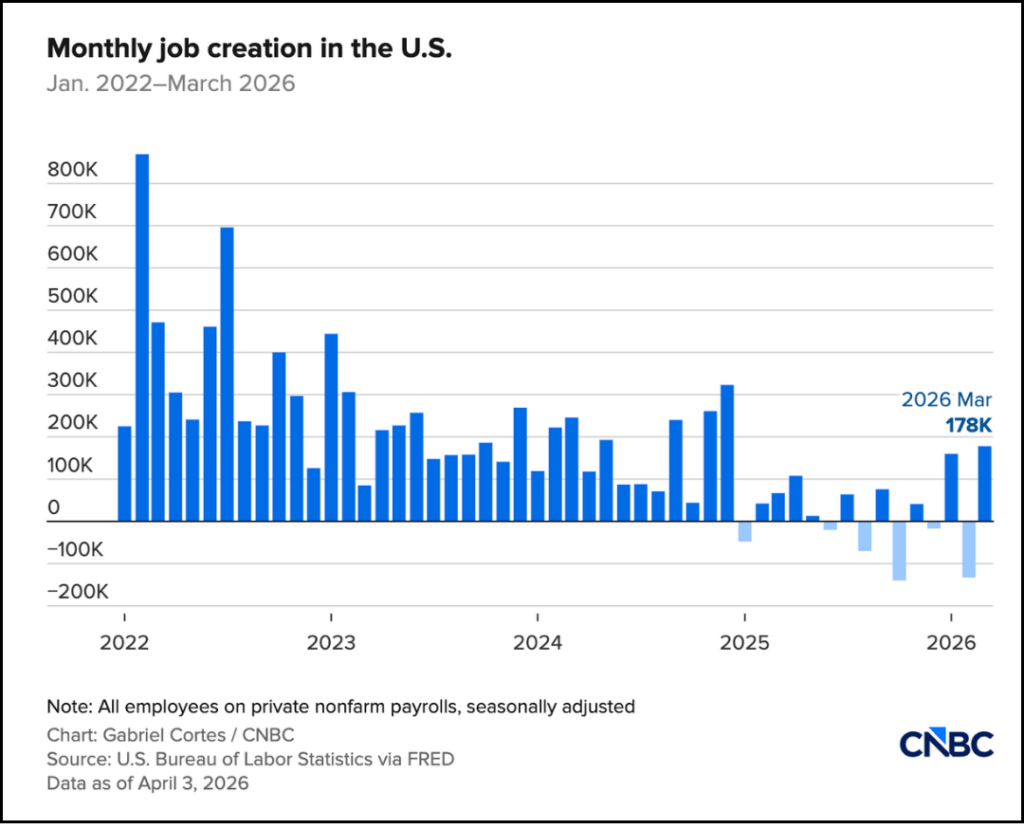
- March Labor Market: Nonfarm payrolls increased by 178,000 in March, surpassing expectations and reversing February’s decline. The unemployment rate fell to 4.3%, driven by a shrinking labor force, while sector gains were led by health care, construction, and transportation.
Other News
- March Jobless Claims: U.S. initial unemployment claims fell to 202,000 in late March, below expectations, indicating steady labor conditions despite low job growth. However, economists caution that the ongoing Middle East conflict and rising oil prices may slow hiring and consumer spending.
- Consumer Sentiment Decline: U.S. consumer sentiment fell to a three-month low in March, driven by Middle East conflict-related inflation worries, rising gasoline prices, and stock market declines. The University of Michigan’s index dropped to 53.3, signaling potential spending slowdowns amid economic uncertainty.
- Brent Oil Prices: The spot price for Brent crude oil, reflecting delivery within 10–30 days, surged to $141.36 amid supply disruptions from Iran’s Strait of Hormuz closure. However, futures prices for June delivery remain lower at $109.03, suggesting futures may understate current supply tightness.

- Gas Price Impact: U.S. households spent roughly $8.4 billion more on gasoline in just one month as prices surged following the Iran conflict. Average fill-up costs rose about 35%, reaching $145 for pickups, $58 for SUVs, and $52 for sedans.
- 2027 U.S. Budget: President Trump requested a $500 billion increase in defense spending for 2027, proposing a total $2.2 trillion budget with cuts to non-defense areas like agriculture and NASA. The plan faces congressional scrutiny amid rising deficits and ongoing military operations.
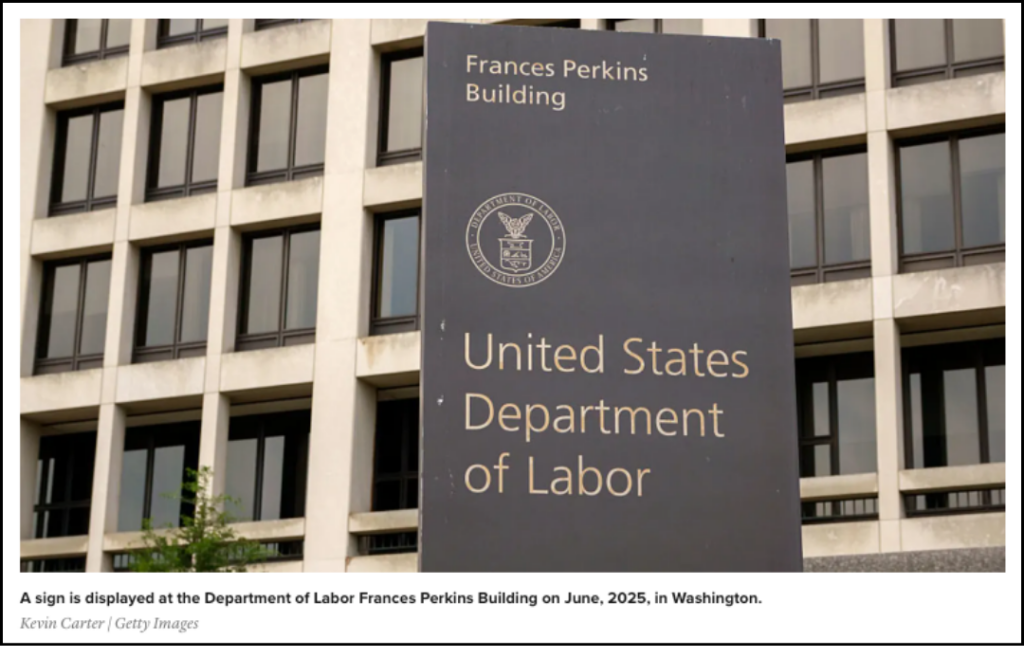
- 401(k) Alternative Assets: The Department of Labor proposed a rule to ease including alternative assets like cryptocurrency and real estate in 401(k) plans by creating a safe harbor for fiduciaries. The rule aims to increase diversification but faces hurdles before adoption.
Earnings Spotlight
Planning Points
Avoiding Common Tax Filing Mistakes
As Tax Day approaches, it’s important to carefully prepare and review your return to avoid delays and penalties.
- Ensure your name is typed exactly as it appears on your previous tax returns, Social Security statements, and IRS correspondence to prevent processing delays.
- Verify your filing status, especially if your household situation changed during the year; choosing the right status can affect available deductions and credits.
- Double-check that your Social Security number is entered correctly to avoid rejected returns.
- Gather all relevant income documents, including W-2s and all types of 1099 forms, to report income accurately.
- Opt for direct deposit for refunds and carefully enter banking details to receive funds quickly and securely.
- Remember to sign and date your return; unsigned returns cannot be processed.
- If you cannot meet the April 15 deadline, file for an extension but pay any estimated taxes owed to minimize penalties.
Taking the time to avoid these common pitfalls can help ensure a smoother tax filing experience and prevent unnecessary complications this season.
Summary
Over the next two weeks, attention will turn to upcoming economic data releases, including inflation reports and retail sales, which will provide insight into consumer spending resilience. Additionally, U.S. political developments around the proposed 2027 budget will remain critical amid debates on defense spending and fiscal priorities.
Footnotes
- Powell sees inflation outlook in check, no wider crisis yet in private credit (CNBC)
- Average US long-term mortgage rate climbs to 6.46%, the highest level in nearly 7 months (Associated Press)
- U.S. payrolls rose by 178,000 in March, more than expected; unemployment at 4.3% (CNBC)
- US weekly jobless claims fall as layoffs remain low (Yahoo Finance)
- US consumer sentiment slips to a three-month low in March (Investing.com)
- Brent oil spot price for actual cargo soars to $141, highest level since 2008 financial crisis (CNBC)
- One Month Into Iran War, Americans Have Paid $8.4 Billion More for Gas, Now Costs $145 to Fill Pickup Truck (JEC)
- Trumps budget proposes 10% cut in discretionary spending, increased defense spending (Investing.com)
- Department of Labor proposes rule for including alternative assets in 401(k)s (CNBC)
Disclosures
The opinions expressed in this commentary are those of the author and may not necessarily reflect those held by Kestra Investment Services, LLC or Kestra Advisory Services, LLC. This is for general information only and is not intended to provide specific investment advice or recommendations for any individual
Securities offered through Kestra Investment Services, LLC, member FINRA/SIPC (Kestra IS). Investment advisory services offered through Kestra Advisory Services, LLC (Kestra AS). ClariVise Private Wealth, Bluespring Wealth Partners, LLC, Kestra IS and Kestra AS are affiliated through common ownership by Kestra Holdings. Investor Disclosures: https://www.kestrafinancial.com/disclosure