


Intro
In the last two weeks, the U.S. labor market showed unexpected weakness with a significant drop in payrolls and a rise in unemployment, prompting discussions of potential interest rate cuts by the Federal Reserve. Concurrently, geopolitical tensions have escalated in the Middle East, with expanding conflict involving Iran and concerns over global shipping routes through the Strait of Hormuz. Let’s dive in!
ClariVise Insights
- February Job Decline: U.S. nonfarm payrolls fell by 92,000, missing the 50,000 gain estimate and continuing a trend of weaker-than-expected job growth. The unemployment rate rose to 4.4%, while wages increased slightly above forecasts, reflecting persistent labor market challenges.
- Middle East Conflict: Israeli and U.S. launched airstrikes targeting Iran, killing its Supreme Leader, while Iran and regional allies retaliated with attacks on Israel and Gulf states including Saudi Arabia, Qatar, and the UAE. The conflict has escalated energy disruptions and regional security concerns, with no clear end in sight.
- Strait of Hormuz Closure: Shipping companies have suspended all vessel crossings through the Strait of Hormuz, forced by regional conflict and attacks, rerouting shipments around Africa. This disruption risks raising global energy prices and shipping costs due to the strait’s critical role in oil and container trade.

Other News
- Fed Rate Outlook: Federal Reserve Governor Stephen Miran suggests the weak February jobs report supports further interest rate cuts, advocating for a near-neutral rate to better support the labor market while downplaying current inflation concerns as mostly measurement-related.
- Housing Supply Deficit: The U.S. housing supply gap widened to 4.03 million homes in 2025, driven by increased household formation and decreased housing construction, continuing a decade-long trend of underbuilding that pressures prices and affordability.
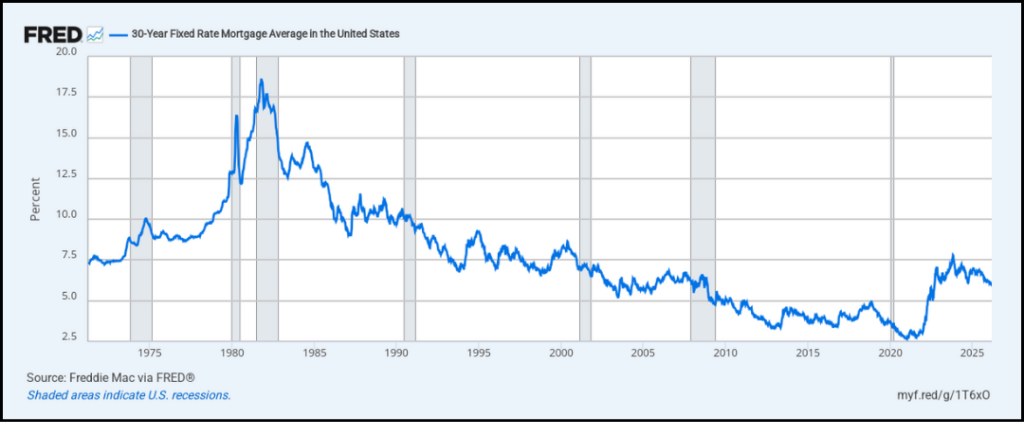
- Mortgage Rate Trends: Average 30-year fixed mortgage rates peaked at 16.64% in 1981 and hit a low of 3.15% in 2021. As of February 2026, the average rate stands at 6.10%, reflecting recent Federal Reserve policy shifts and economic conditions.
- IMF Middle East Outlook: The economic impact of the Middle East conflict depends on its duration and effects on infrastructure and energy prices. Persistent energy shocks could prompt central banks to act cautiously amid inflation and growth concerns, while temporary price rises may be monitored without immediate policy changes.
- Tax Refund Increase: The average individual tax refund is 10.6% higher than last year, with an average refund amount for individual filers of $3,742. Changes from the 2025 tax law, including new deductions and credits, are contributing to larger refunds for many filers so far.
- Federal Workforce Shrinks: The U.S. government’s civilian workforce decreased by 12% from September 2024 to January 2026, driven by voluntary exits and retirements under Trump’s government downsizing efforts. Agencies like the Treasury Department and Health and Human Services saw steep cuts, while Homeland Security grew slightly.

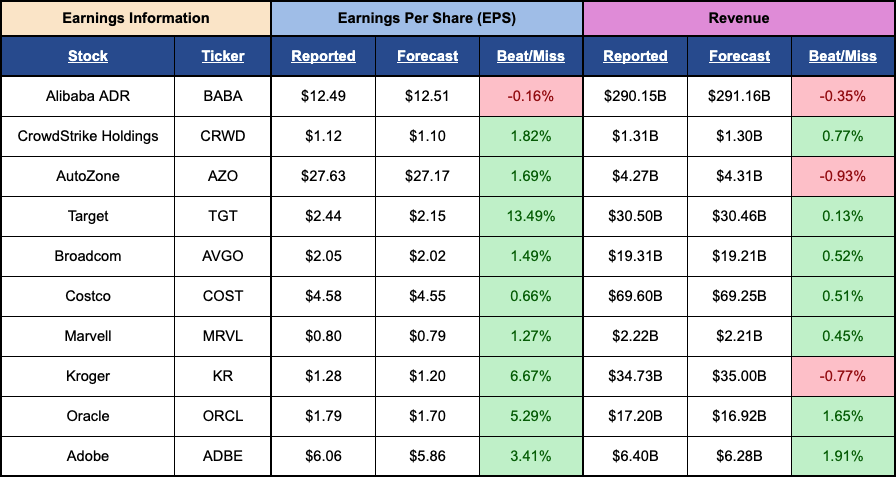
Earnings Spotlight
Planning Points
Homestead Exemption Reminder
A homestead exemption is a property tax benefit available to homeowners who live in their home as their primary residence. It reduces the taxable value of the property, which can lower the amount of property taxes owed. As the annual application period approaches, homeowners who owned and occupied their residence as of January 1 should review whether they need to apply for or update their exemption.
- If you purchased a new home in 2025, changed ownership, or transferred the property as part of estate planning (such as into a trust), you may need to apply for or confirm your homestead exemption.
- Applications are generally due by April 1 and can usually be submitted online through your county’s tax authority.
- Additional exemptions may be available for seniors, disabled homeowners, veterans, or surviving spouses, which may further reduce certain property taxes.
- If your home is owned by a trust, check with your county tax office to see whether a new application, trust affidavit, or copy of the trust document is required.
- Have documentation available such as your recorded deed, proof of residency (driver’s license or vehicle registration), and identification when applying.
Filing your Homestead Exemption timely helps ensure you benefit from available property tax relief; please reach out to our team if you need guidance on next steps.
Summary
Over the next two weeks, markets will closely monitor upcoming economic data, particularly the Consumer Price Index and trends in energy prices. Developments in the Middle East and the upcoming Federal Reserve meeting, where policymakers will determine interest rate policy, may also influence broader market sentiment.
Footnotes
- U.S. payrolls unexpectedly fell by 92,000 in February; unemployment rate rises to 4.4% (CNBC)
- As Mideast conflict widens, US says attacks on Iran will last weeks and intensify (AP News)
- The Strait of Hormuz crisis explained: What it means for global shipping (CNBC)
- Fed Governor Miran says job losses in February add to the case for more interest rate cuts (CNBC)
- US housing supply gap widens to 4.03 Million homes in 2025 (Investing.com)
- Mortgage rate history: 1970s to 2026 (Bankrate)
- Middle East war economic impact to depend on duration, damage, energy costs, IMF official says (Investing.com)
- Average IRS tax refund is up 10.6%, early filing data shows (CNBC)
- US government shed 386,826 workers in Trumps first year back in power (Investing.com)