

Intro
In the last two weeks, US economic data showed a mixed picture with consumer prices rising less than expected and mortgage rates falling to a three-year low. Geopolitically, tensions mount in the Middle East as US military presence intensifies and significant trade developments occur with Taiwan and on tariffs. Let’s dive in!
ClariVise Insights
- Mortgage Rate Decline: The average 30-year fixed U.S. mortgage rate fell to 6.01%, its lowest in over three years, aiding affordability and refinancing activity. However, home sales remain sluggish with pending contracts down, reflecting ongoing market challenges despite lower borrowing costs.
- Food Inflation Eases: Walmart’s CFO noted food inflation, especially egg prices, is cooling, offering potential relief for consumers. This easing inflation could boost sales this spring and is a key factor influencing the Federal Reserve’s interest rate decisions.
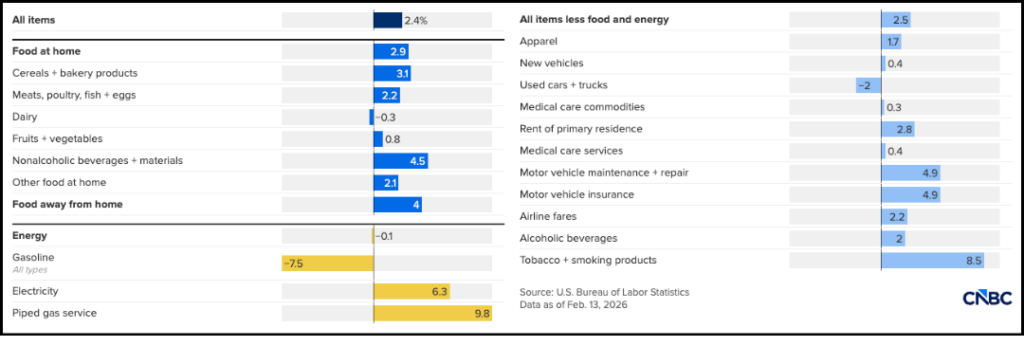
- U.S. Inflation Eases: January’s consumer price index rose 2.4% year-over-year, slower than expected and marking the lowest level since May 2025. Core CPI increased 2.5%, signaling potential easing inflation and boosting prospects for Fed rate cuts this year.
Other News
- Fed Rate Outlook: Federal Reserve officials paused interest rate cuts in January, signaling potential future cuts if inflation declines but showed division on balancing inflation control with labor market support. The path ahead remains uncertain amid mixed economic data.
- Q4 Growth: The U.S. economy grew 1.4% annualized in Q4 2025, well below estimates of ~2.5%, mainly due to a prolonged federal government shutdown that reduced government spending and investment. Now that the shutdown has ended, economists expect growth to improve in early 2026 as government spending and investment resume.
- Factory Output Growth: U.S. factory production rose 0.6% in January, the largest increase in 11 months, signaling a broad-based manufacturing recovery. This boost supports industrial activity and suggests improving economic conditions amid tariffs and high interest rates.

- Middle East Tensions: Iran conducted military drills amid heightened U.S. military presence and stalled nuclear talks. Iran warns it will respond decisively to any aggression, while the U.S. continues diplomatic efforts with a deadline of 10-15 days to reach a nuclear agreement.
- Taiwan-US Trade: The Trump administration finalized a reciprocal trade deal setting a 15% U.S. tariff on Taiwanese imports while Taiwan commits to reducing tariffs on U.S. goods and boosting purchases, including $44.4B in energy and $15.2B in civil aircraft from 2025-2029.
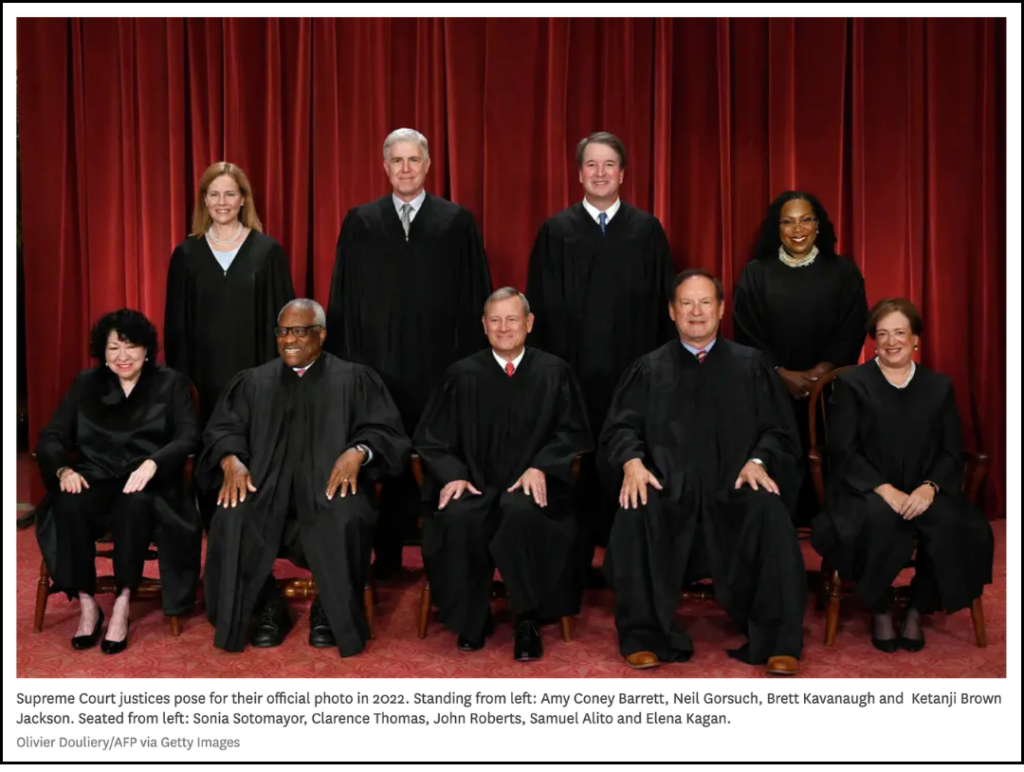
- Supreme Court Tariff Ruling: The Supreme Court invalidated major tariffs imposed by President Trump under the International Emergency Economic Powers Act, ruling that the law does not authorize unilateral presidential tariff imposition without clear congressional approval. The ruling could impact billions in tariff revenue.
Earnings Spotlight
Planning Points
Estate Planning Essentials
Passing wealth to heirs smoothly requires thoughtful planning beyond just a simple will.
- Trusts are versatile tools that can help avoid probate court, which can be costly and time-consuming, even for estates not large enough to incur taxes.
- They keep estate details private, protect assets from excessive legal fees, and in the case of irrevocable trusts, may aid in qualifying for government benefits like Medicaid.
- The “step-up in basis” rule allows heirs to reset the cost basis of inherited assets to their value at the decedent’s death, potentially reducing capital gains tax upon sale.
- Naming beneficiaries on accounts and policies is a straightforward way to facilitate direct transfers, superseding wills and minimizing delays.
- Regularly reviewing and updating estate documents and designations ensures your intentions remain clear and avoids unintended outcomes.
Investing time in a structured estate plan helps protect your legacy and provides peace of mind for you and your loved ones.
Summary
Over the next two weeks, attention will focus on upcoming economic indicators including labor market reports and manufacturing data that could influence Federal Reserve policy. Additionally, political developments in Washington could impact fiscal policy outlooks as midterm election discussions begin to take shape.
Footnotes
- Average US long-term mortgage rate dips to 6.01%, lowest level in more than 3 years (Associated Press Finance)
- Walmart CFO: Food inflation looks to be coming down (Yahoo Finance)
- Consumer prices rose 2.4% annually in January, less than expected (CNBC)
- Heres the inflation breakdown for January 2026 — in one chart (CNBC)
- Fed officials split on where interest rates should go, minutes say (CNBC)
- Fourth-quarter U.S. GDP up just 1.4%, badly missing estimate; inflation firms at 3% (CNBC)
- US manufacturing output posts biggest gain in 11 months in January (Investing.com)
- Trump warns of ‘bad things’ if Iran doesn’t make a deal, as second US carrier nears Mideast (AP News)
- US, Taiwan finalize deal to cut tariffs, boost purchases of US goods (Investing.com)
- Supreme Court strikes down Trump tariffs, rebuking presidents signature economic policy (CNBC)