

Intro
In the last two weeks, the Federal Reserve cut interest rates for the third time, signaling ongoing economic adjustments amid mixed inflation data. Meanwhile, housing prices dropped for the first time in over two years and labor market indicators showed slight shifts, reflecting a complex US economic landscape. Let’s dive in!
ClariVise Insights
- Fed Rate Cut: The Federal Reserve lowered rates by 25 basis points to a 3.5%-3.75% range, marking the third cut this year. Chairman Powell signaled a higher bar for further cuts, with projected rates dropping modestly to 3.4% in 2026 and 3.1% in 2027 amid Fed division and economic uncertainty.
- Labor Market Overview:S. job openings rose slightly in October, but hiring declined and resignations hit a five-year low, signaling labor market weakness. The quits rate dropped to 1.8%, indicating subdued wage growth and potential moderation in consumer spending and inflation.
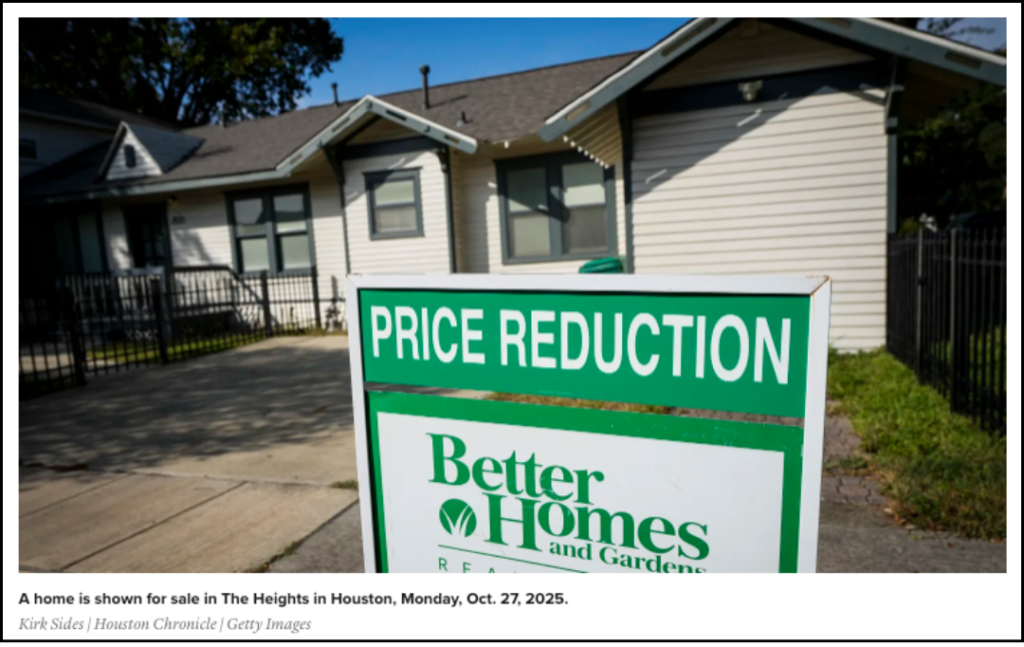
- Housing Market Update: Home prices have declined slightly, down 1.4% over the last three months, with notable regional variations. Nationally, prices are stabilizing amid higher mortgage rates, low inventory, and weak demand, suggesting modest price changes ahead rather than sharp declines or gains.
What Else is in the News
- PCE Inflation Decline: September’s core Personal Consumption Expenditures (PCE) price index rose 0.2% monthly and 2.8% annually, slightly below expectations, supporting the Fed’s decision to cut interest rates at its recent policy meeting.
- Fed Liquidity Debate: The Fed’s recent rate cut and resumed Treasury bill purchases have sparked debate, with optimistic analysts forecasting a soft landing, while economist Peter Schiff warns the move resembles quantitative easing and may increase long-term rates, signaling potential inflation risks ahead.
- Social Security Updates: The House passed bills to rename retirement claiming ages for clarity, streamline identity theft support with a single SSA contact, and allow new Social Security numbers for children under 14 whose cards are lost or stolen, aiming to enhance service and fraud protection.
- Mortgage Rate Update: The average 30-year U.S. mortgage rate rose to 6.22% this week, up from 6.19%, while 15-year rates also increased. Despite recent Federal Reserve cuts, mortgage rates generally follow Treasury yields and are expected to stay slightly above 6% into next year.
- GDP Forecast: Treasury Secretary Scott Bessent highlighted a robust holiday shopping season and forecasts the U.S. economy to finish the year with 3% real GDP growth, following recent expansion despite inflation and consumer concerns.
- Food Inflation: Consumers are ordering 20% more appetizers year-over-year as food inflation persists, while entree and dessert sales decline. Private-label brands are gaining ground in grocery and food-away-from-home sectors as cost-saving measures amid ongoing price pressures.

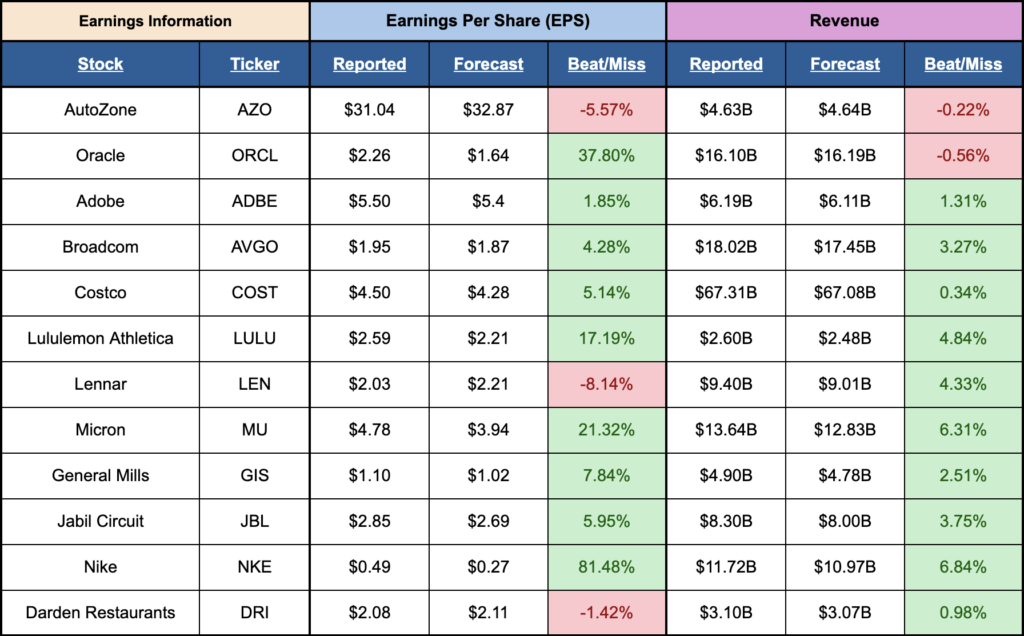
Earnings Spotlight
Planning Points
HSA Eligibility and Benefits Expanded
The recent IRS guidance under the “Big Beautiful Bill” expands Health Savings Account (HSA) eligibility and updates key benefits starting in 2025 and 2026.
- Bronze and catastrophic health plans, including those not previously qualifying as high-deductible health plans (HDHPs), will become HSA-eligible, allowing more individuals to contribute tax-advantaged funds.
- HSAs continue to offer triple tax benefits: tax-deductible contributions, tax-deferred growth, and tax-free withdrawals for qualified medical expenses.
- Permanent “safe harbor” provisions now allow use of certain telehealth and remote health services before meeting deductibles without losing HSA eligibility.
- Starting in 2026, direct primary care arrangements (PCA), typically outside traditional insurance billing, won’t disqualify account holders from contributing to HSAs, and PCA fees may be covered by HSA funds within guidelines.
- These expansions increase flexible ways to save for healthcare costs and provide more control over medical spending decisions.
Understanding these changes can help you better utilize HSAs as part of your overall healthcare and financial planning strategy.
Summary
Over the next two weeks, markets will focus on reactions to recent Federal Reserve monetary policy decisions and year-end positioning as lighter holiday trading shapes expectations for 2026. In Washington, fiscal policy discussions, including a continuing resolution that funds the government into late January and ongoing conversations around Social Security, may draw attention as the year closes. We wish you and your family a happy and healthy holiday season!
Footnotes
- Fed cuts rates for third time, but keeps outlook for further easing (Investing.com)
- US job openings rise slightly after surging in September; fewer workers quitting their jobs (Investing.com)
- Home prices go negative for the first time in over 2 years — and may stay that way for a while (CNBC)
- Core inflation rate watched by Fed hit 2.8%, delayed September data shows, lower than expected (CNBC)
- Peter Schiff Slams Federal Reserve’s Plan For Buying Treasury Bills: ‘QE By Any Other Name Is Still Inflation’ (Benzinga)
- Social Security changes on the table as House bills advance: New retirement age terms, more ID theft services (CNBC)
- Average US long-term mortgage rate ticks up to 6.22%, but remains close to its low for the year (Associated Press Finance)
- Bessent says U.S. will finish the year with 3% GDP growth, sees very strong holiday season (CNBC)
- Appetizer economy: Food inflation is on restaurant table as diners go smaller with menu choices (CNBC)